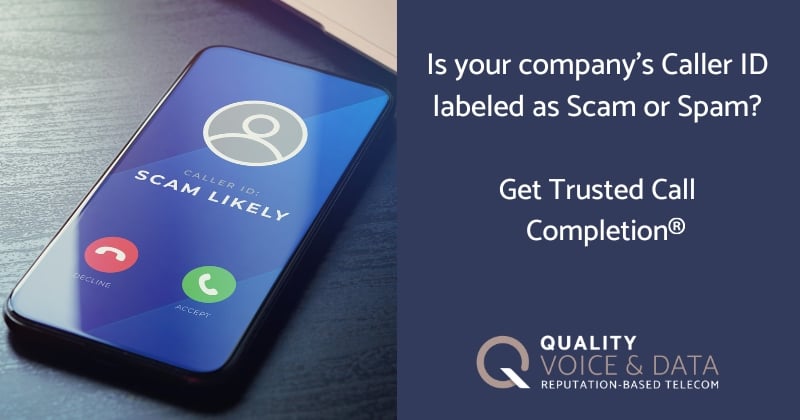
Why Are My Calls Showing Up as Scam Likely or Telemarketer?
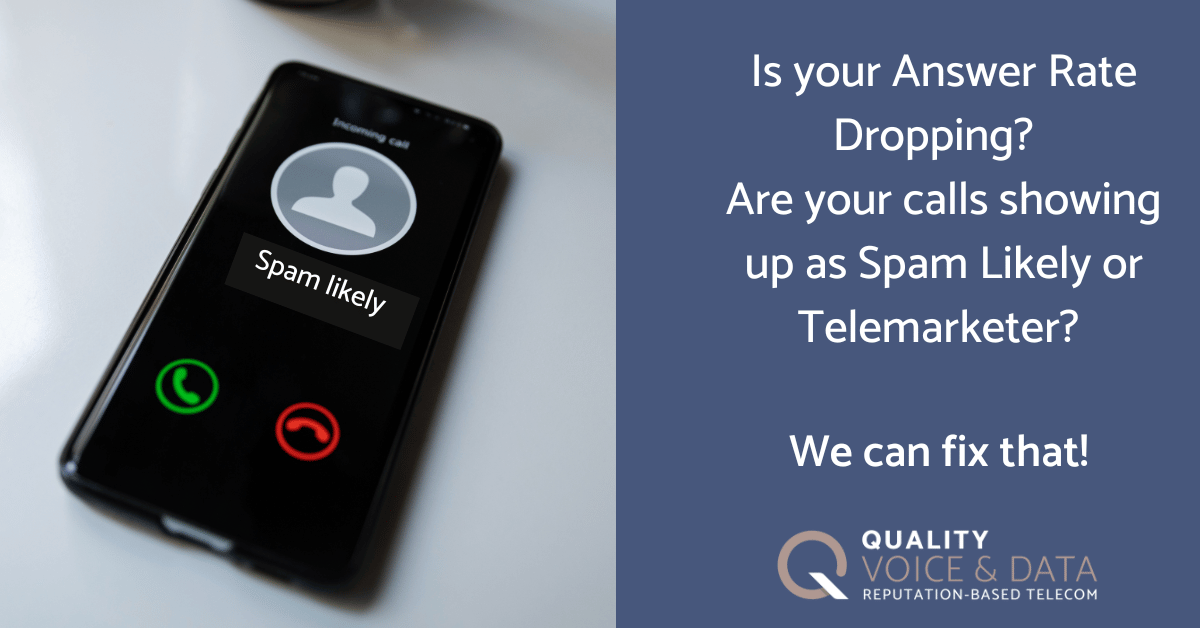
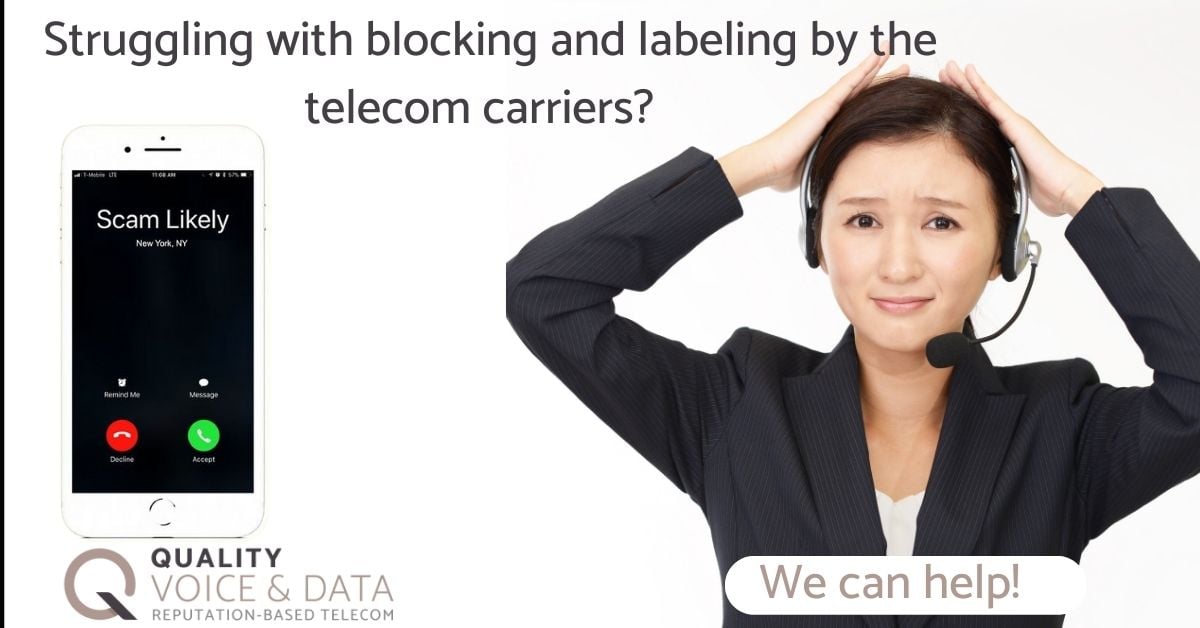
When almost no one picks up your business's calls — especially on mobile — the reason usually turns out to be the same: your calls are showing up marked "Scam Likely" or "Telemarketer."
Why this happens
These labels trace back to FCC efforts against spoofed robocalls, including the March 2020 mandate requiring telecom carriers to deploy the STIR/SHAKEN standard. STIR/SHAKEN lets a call's Caller ID information be signed by the originating carrier and validated by other carriers along the way. Once a call reaches your phone company's network, STIR/SHAKEN lets that carrier verify whether the call actually originates from the displayed number — if not, or if the number is known to belong to a telemarketer, it may be marked "Scam Likely" or "Spam," and mobile phones can act on that information automatically, silencing calls or routing them straight to voicemail.
How numbers get flagged
Two paths: a consumer blocking your number with a call-blocking app, or a carrier flagging the number for making too many outbound calls. A single consumer block generally doesn't trigger a STIR/SHAKEN flag on its own, but multiple blocks can lead to a "Spam," "Scam," or "Nuisance Call" label. Carriers use their own thresholds — calls per minute or per day — and systems that detect dialer-driven (rather than human-driven) calling patterns are more likely to apply a flag.
Why this hurts legitimate businesses
Caller ID verification isn't perfect, and legitimate dialer-based calling can get incorrectly flagged as "Scam" or "Spam" just like an actual bad actor. Once flagged, there's no formal process to get a number's Caller ID reputation cleaned up — the best defense is using a telecom carrier that delivers a high attestation level in the first place.
Attestation levels, from highest to lowest
- A (Full Attestation): the provider has verified the caller's identity and signed the call with its digital certificate.
- B (Partial Attestation): identity is verified, but the call isn't signed with a certificate.
- C (Gateway Attestation): the provider hasn't verified the caller's identity at all.
Quality Voice & Data signs every call with an A attestation as a SHAKEN Telecom Service Provider, and goes further by monitoring each customer's Caller ID numbers against the analytics databases carriers use to make blocking and labeling decisions — so businesses can place calls without worrying about being flagged.