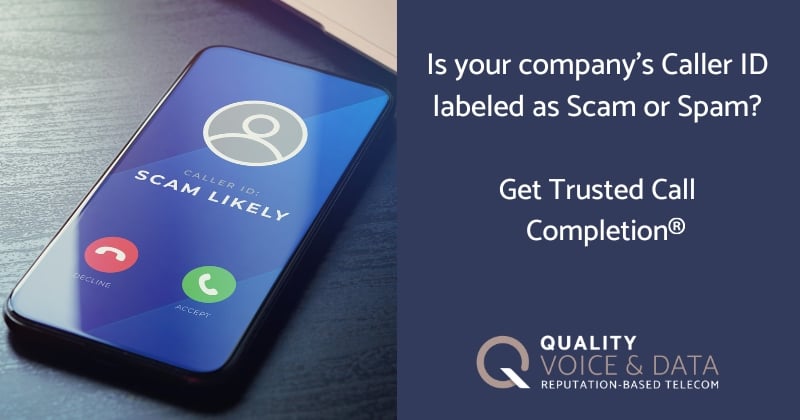
Should You Answer Calls When Caller ID Says 'Scam Likely'?
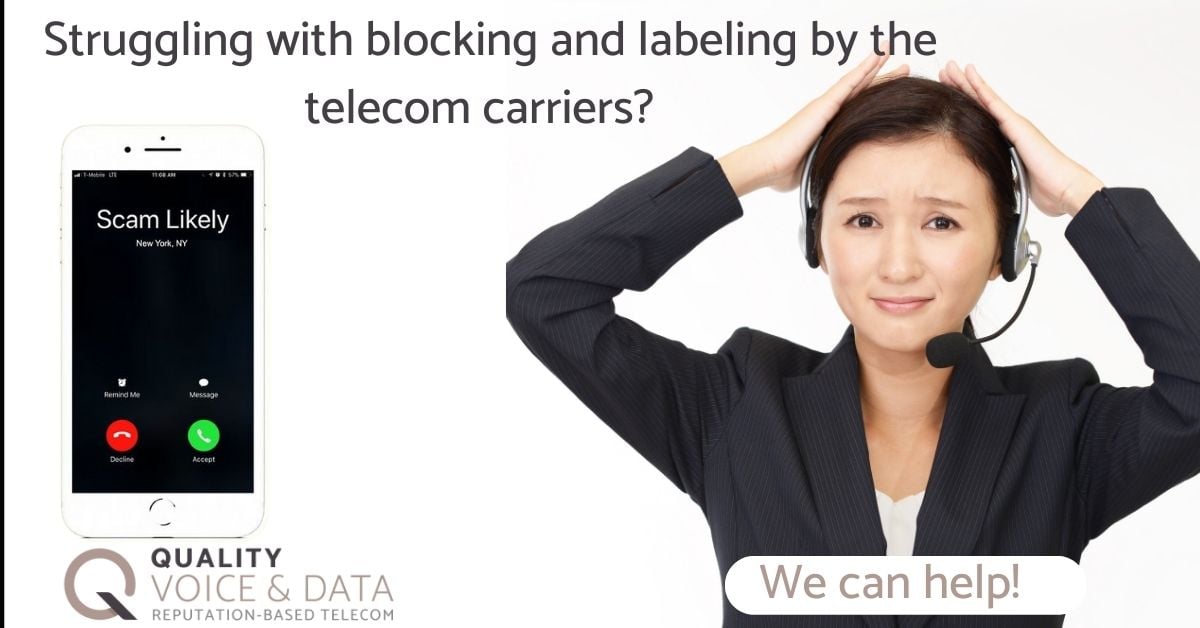
When robocalls spiked in 2021, the "Scam Likely" notice started showing up on phones far more often — likely tied to the new FCC STIR/SHAKEN rules carriers had to meet by June 30 of that year. Telecom engineers supporting outbound call teams have had to get savvier as carriers actively block and label calls that aren't transmitted with a SHAKEN A attestation, while robocallers and scammers, armed with cheap VoIP and VPN tools, machine learning, and fast connections, keep working around the "Scam Likely" messaging. America saw an estimated 50 billion robocalls in 2021, and consumers now answer less than half the calls they receive.
How call recipients push back
Blocking a caller directly gives recipients direct control, and most consumers who see "scam likely" simply decline and block. Some search the number online (services like "Who Calls Me" often surface first, rather than the legitimate company). Both Android and Apple phones offer proprietary automatic blocking based on user-set parameters, and carriers will change a phone number a limited number of times per billing cycle for free — though a brand-new, never-assigned number will eventually attract spam too; it's a mathematical certainty.
How the ecosystem has evolved
Call attestation drives the core of how STIR/SHAKEN works, assigning a legitimacy value to a number. Carriers pair that with call analytics that watch calling patterns, and a call from a number with a negative reputation or missing attestation gets labeled "Scam Likely." None of this is perfect — legitimate numbers sometimes land on blocklists, and some scam numbers still slip through as verified.
What businesses can do
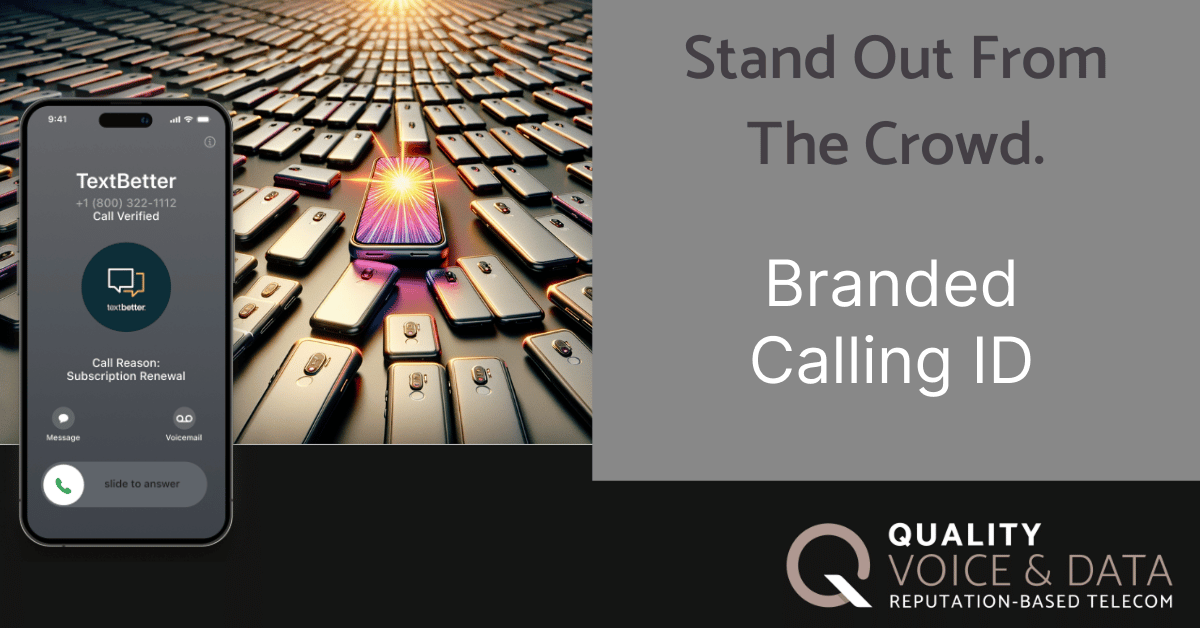
Pairing a business name and logo with the Caller ID display — enabling brand trust — gives legitimate callers a fighting chance even if the recipient doesn't recognize the company right away. Publishing the specific numbers different departments call from (billing, compliance, accounts receivable) gives context to numbers that would otherwise look suspicious. Call labeling, which assigns a category like "marketing," "nonprofit," or "political" to a call instead of just flagging it, is another promising direction for maintaining Caller ID reputation.
As an authorized SHAKEN service provider, Quality Voice & Data signs calls with an A attestation to help ensure they're labeled appropriately, giving legitimate businesses the tools, relationships, and experience to protect their Caller ID reputation and rebuild consumer trust.