How Carriers Decide Which Calls Get Blocked or Labeled as Spam
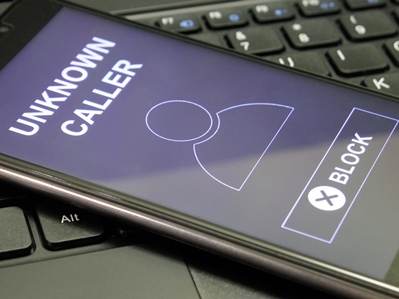
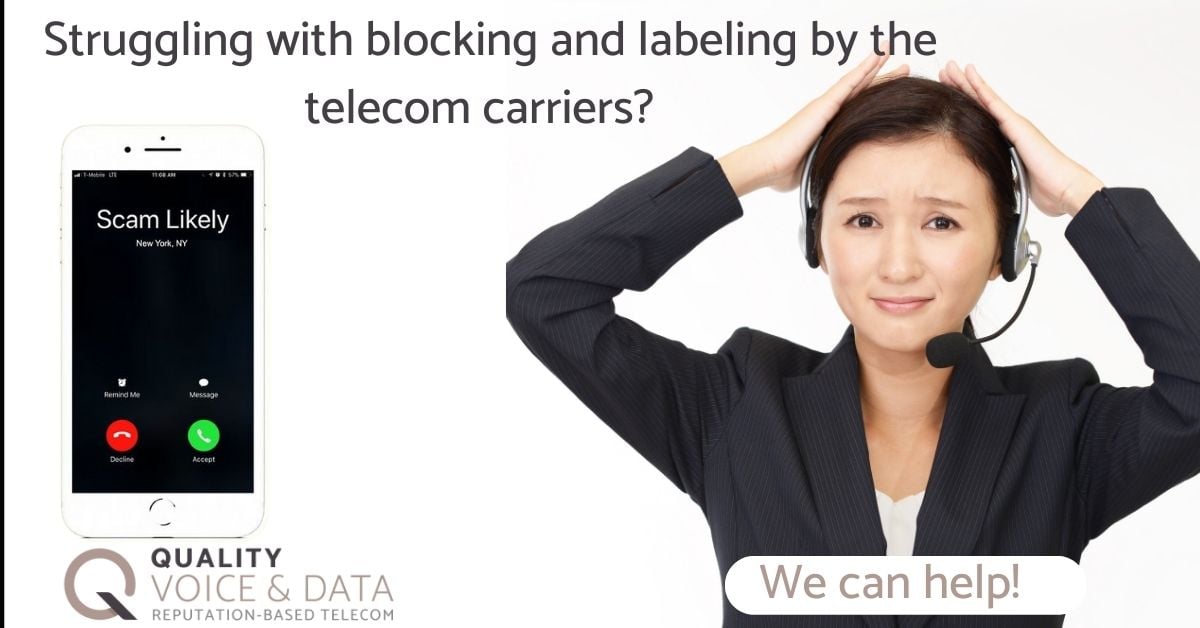
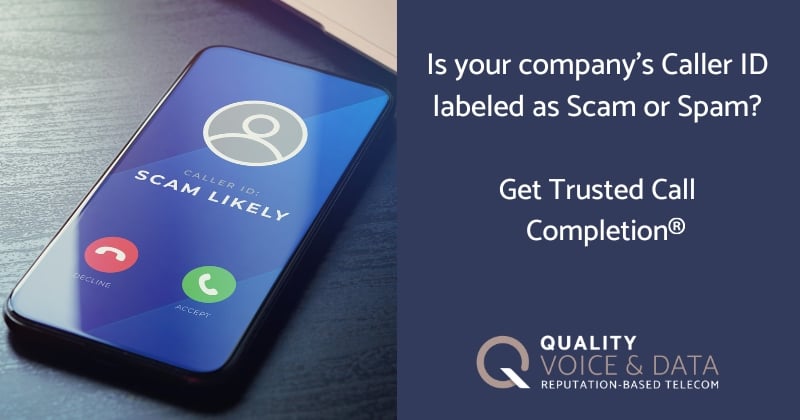
A call marked "Spam Likely," or one that never even rings, isn't always the obvious robocall or scam it looks like. Modern call systems run on evolving algorithms, real-time consumer feedback, and an incomplete regulatory framework — which means legitimate organizations like schools, healthcare providers, and financial institutions get flagged constantly, often without noticing until answer rates have already dropped significantly.
Ten signals that trigger blocking or labeling
-
Call volume spikes. A number jumping from 20 to 200 daily calls looks suspicious to carrier algorithms regardless of intent — common for schools after a break or businesses launching a new campaign.
-
Low answer rates. Carriers weigh engagement as heavily as volume; consistently unanswered or declined calls signal recipients don't want them, even from a fully compliant business.
-
Consumer complaints. A single spam report becomes part of a larger data ecosystem that can override algorithmic analysis entirely and spread across carrier networks fast.
-
Caller ID reputation. Every number carries a reputation based on historical behavior, complaint rates, and engagement — one that follows the number, not the business, so an inherited recycled number can start at a disadvantage.
-
STIR/SHAKEN authentication level. Calls without strong A-level attestation are significantly more likely to be blocked or labeled, especially from VoIP-based businesses.
-
Extra scrutiny on VoIP. Because VoIP has historically been easier to exploit, VoIP-originated calls face stricter filtering and stronger authentication requirements.
-
Calling patterns. Calls per minute, sequential dialing, and repeated attempts to the same numbers all factor in — dialing more than five calls per hour from one number can trigger detection even for a legitimate campaign.
-
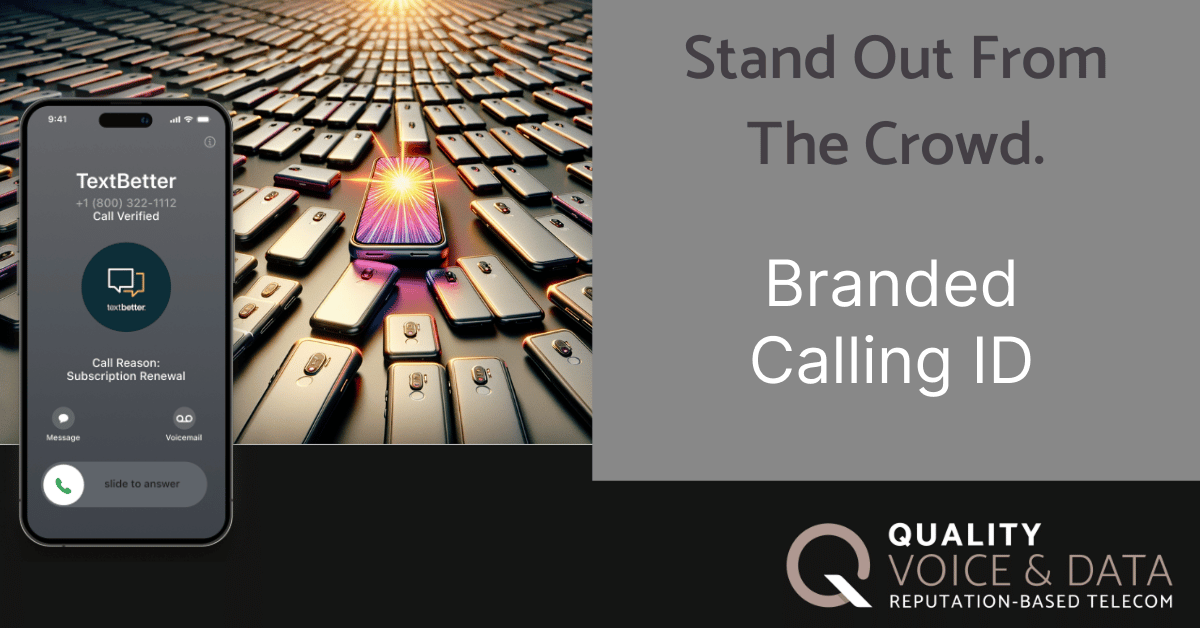
Generic or missing Caller ID information. A number with no name, or a generic "Unknown" label, looks suspicious to both consumers and carrier systems alike.
-
Number rotation can backfire. New numbers may already carry a negative history, and frequent switching itself looks suspicious — reputation doesn't reset instantly just because the number changed.
-
Opaque carrier algorithms. Each carrier uses its own undisclosed rules, with no requirement to notify a business when its calls get flagged, making the problem hard to diagnose quickly.
The real-world impact
A school district saw parent-outreach answer rates drop nearly 80% after a seasonal calling spike; healthcare providers have had appointment reminders blocked for tens of thousands of patients within days; financial institutions have seen verification calls fail outright. Answer rates can fall 70-90% once a number is flagged, with connect rates sometimes dropping below 10% — effectively neutralizing outbound calling as a channel.
What businesses can actually do
Keep calling patterns consistent, monitor answer and engagement rates continuously, register and authenticate numbers properly, use clear branded Calling ID information, avoid excessive number rotation, and track reputation so issues get addressed quickly. Call deliverability isn't automatic anymore — it has to be actively managed before performance drops, not after.