Five Caller ID Pitfalls and How to Avoid Them

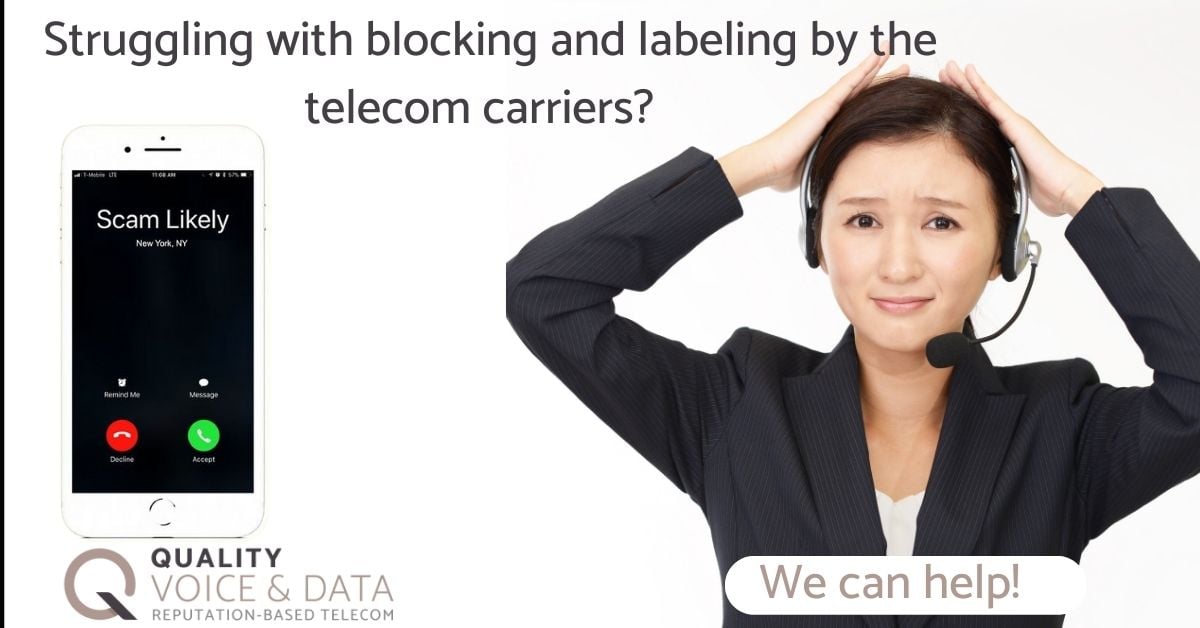
If your company's outbound calls are going mostly unanswered, or landing under a "Spam Likely" label, you're far from alone. A recent Caller ID reputation study found US consumers answer only about 18% of calls from businesses, and Pew Research reports 80% of Americans don't bother answering unknown numbers at all. For companies that depend on the phone for day-to-day operations, this erosion of trust hits engagement, compliance, and profitability directly. The good news: most Caller ID problems are fixable with the right technology and telecom partner.
Pitfall #1: Using a toll-free number for outbound calls
A toll-free (8xx) number can't carry a stored CNAM, so carriers and devices simply can't display your business name — a common trigger for the "Spam Likely" label. Local numbers perform far better: 63% of consumers prefer returning calls to local numbers, local numbers see 15-30% higher callback rates, and 90% of people say a local number feels more personal. The fix: switch to a curated local Caller ID inventory and pair it with a Trusted Call Completion platform that terminates directly to other SHAKEN carriers with full attestation.
Pitfall #2: Not monitoring reputation in real time
Caller ID reputation is dynamic — carrier analytics constantly reassess call volume, frequency, and complaint patterns, and even legitimate businesses can get mislabeled. The fix: use a Caller ID testing tool to check your number's status and invest in real-time health monitoring so a number can be rotated before its performance craters.
Pitfall #3: Operating without full STIR/SHAKEN attestation
As of mid-2024, only about 30% of US calls carried full A-level attestation, and calls with the lowest (C-level) attestation are over three and a half times more likely to be treated as robocalls. The fix: partner with an authorized SHAKEN Service Provider — not a reseller or VoIP intermediary — that delivers A-level attestation directly to Tier 1 and Tier 2 networks, a move that can lift answer rates by as much as 38%.
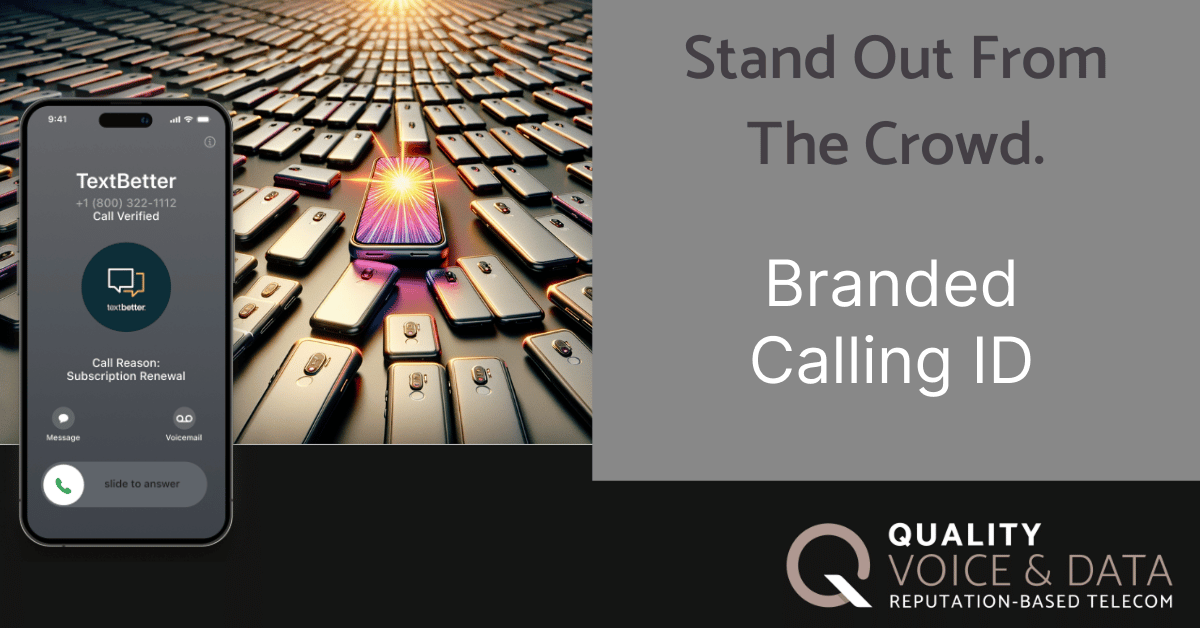
Pitfall #4: Neglecting branded calling and visual identity
Even a successfully delivered call often goes unanswered if the number is unrecognized. Branded Calling ID displays a verified company name, logo, and call reason on supported devices, giving recipients a reason to answer instead of assuming the worst.
Pitfall #5: Underestimating the scale of scam and spam traffic
Robocall volume keeps climbing — scam robocalls jumped 55% between December 2024 and February 2025 alone — which means protecting your number's reputation has to be a continuous process, not a one-time fix. Trusted Call Completion and real-time monitoring catch labeling issues as they happen, so legitimate calls keep reaching their destination unflagged.
Caller ID reputation isn't just a technology problem — it's a credibility problem, and it takes an authorized SHAKEN carrier working continuously on your behalf to solve it.