STIR/SHAKEN Guide for the Call Center: Attestation and Analytics
An estimated 110 billion scam calls went out in a single recent year — which helps explain why roughly 90% of calls from unknown numbers go unanswered. Telemarketing calls are the number one consumer complaint to both the FTC and FCC, and after years of chasing scammers with no way to trace calls back to their originator, the FTC drove two initiatives that converged into today's landscape: SHAKEN, a technical standard requiring metadata on every call identifying the originating carrier, and network analytics, born from a $25,000 FTC challenge for a robocall-blocking tool consumers could run on their own wireless devices.
How SHAKEN impacts outbound calling
The FCC mandated that all telephone carriers terminating traffic in the USA implement SHAKEN on their IP networks. Authorized SHAKEN providers receive a certificate used to generate unique tokens inserted into a call's metadata — commonly called "signing" a call — and must follow the SHAKEN governing body's Know Your Customer rules or risk certificate revocation. Because of legacy networks, only about a quarter of calls currently carry a token, and each token identifies the originating carrier's attestation level:
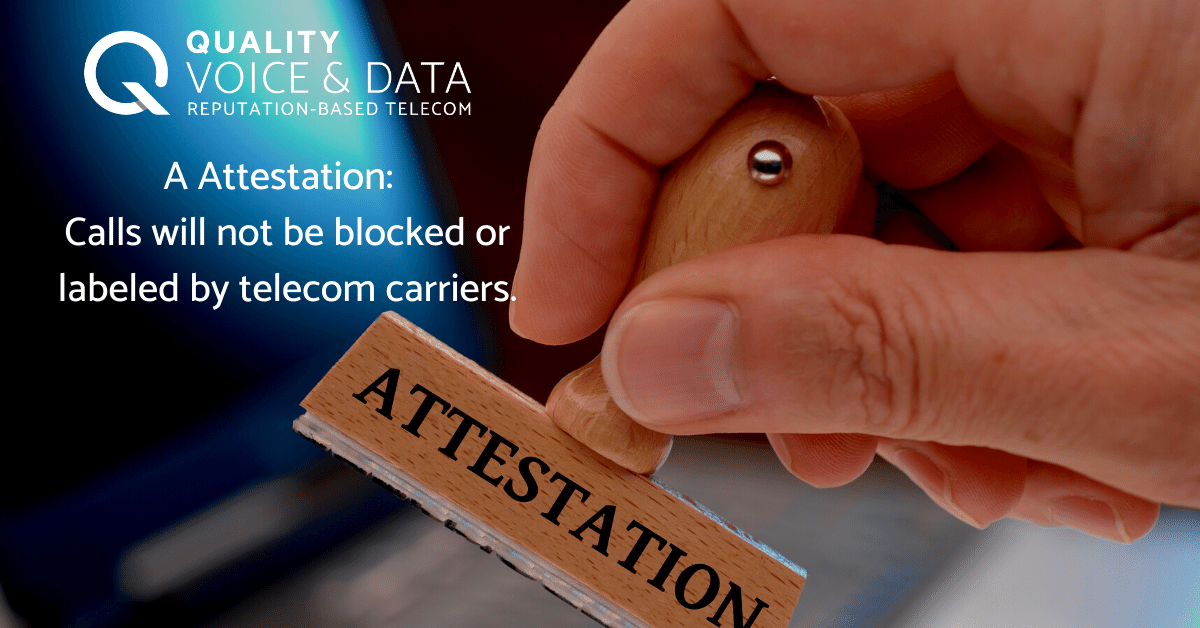
- A-Attestation (Full): the carrier knows its customer and confirms they're authorized to use the displayed Caller ID number.
- B-Attestation (Partial): the carrier knows its customer but can't confirm authorization to use the number.
- C-Attestation (Gateway): the call passed through the carrier's network unsigned — origin and customer both unknown, and most likely to be blocked or tagged as spam.
How analytics impact outbound calling
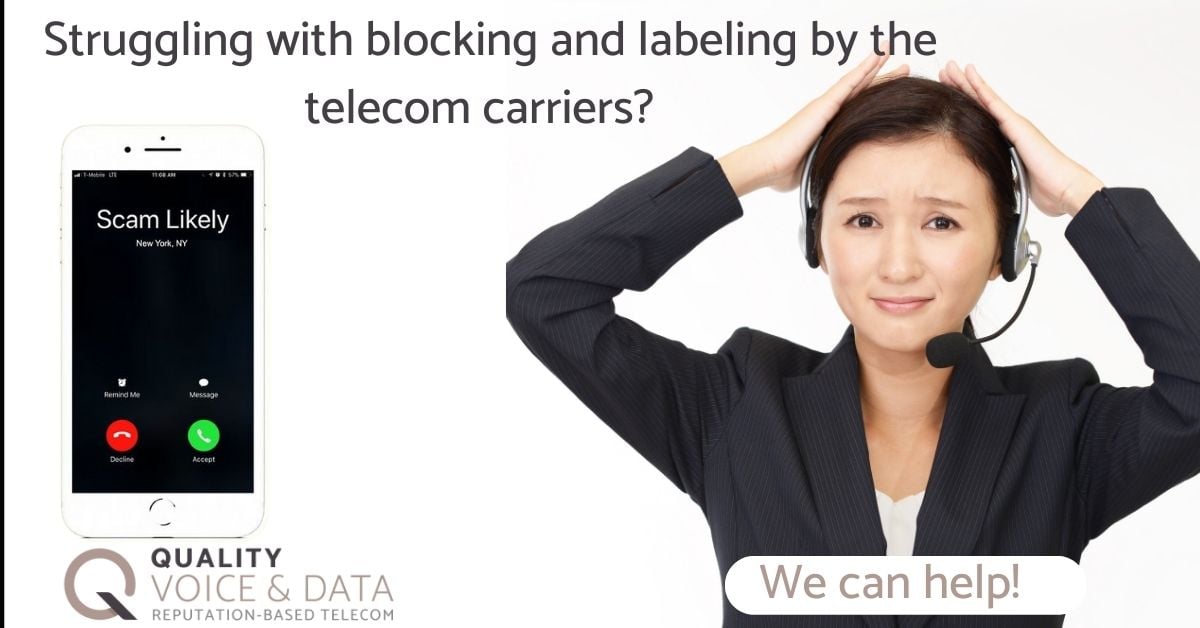
While waiting for SHAKEN's rollout, the FTC's robocall-killer contest produced a crowd-sourced scam-detection app, and analytics vendors soon realized they could sit on a carrier's network and apply machine learning to real-time call data to flag spam and scam-likely indicators — examining call velocity, frequency, and average length in short increments to identify suspicious callers. Today, SHAKEN attestation is the single most heavily weighted data point these algorithms use: an A-Attestation tells the algorithm an authorized provider vouches for the caller.
What this means in practice
- SIP matters: every call must be signed with an A-Attestation, and that token has to actually reach the called party's carrier.
- Caller ID matters: numbers need to be rested, warmed up, scored, stored in the databases analytics vendors check (including CNAM and the authentication hub), and used with intelligent Caller ID mapping.
- Monitoring matters: Caller ID numbers need ongoing monitoring as campaigns, markets, and demographics shift, with weekly review of SIP reporting, contact rates, and market penetration.