Help! My Company's Caller ID Is Labeled as Spam
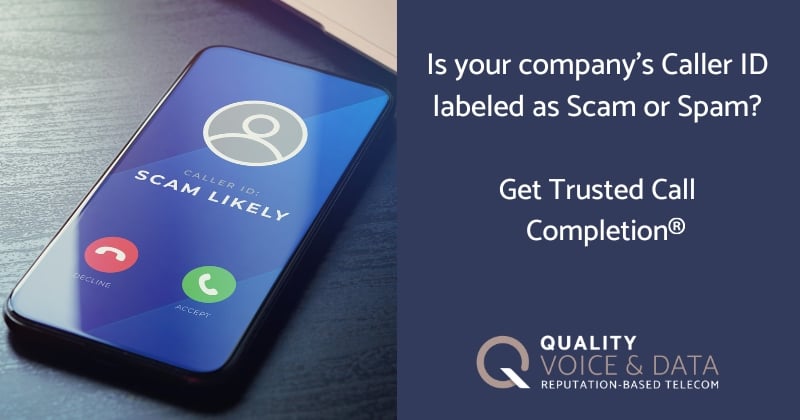
The rise in robocalls has become a major problem — the FCC recorded almost 5 billion illegal robocalls in the US in a single month in 2021. This guide walks through why calls get labeled and blocked, and what to actually do about it.
Call labeling and blocking, briefly
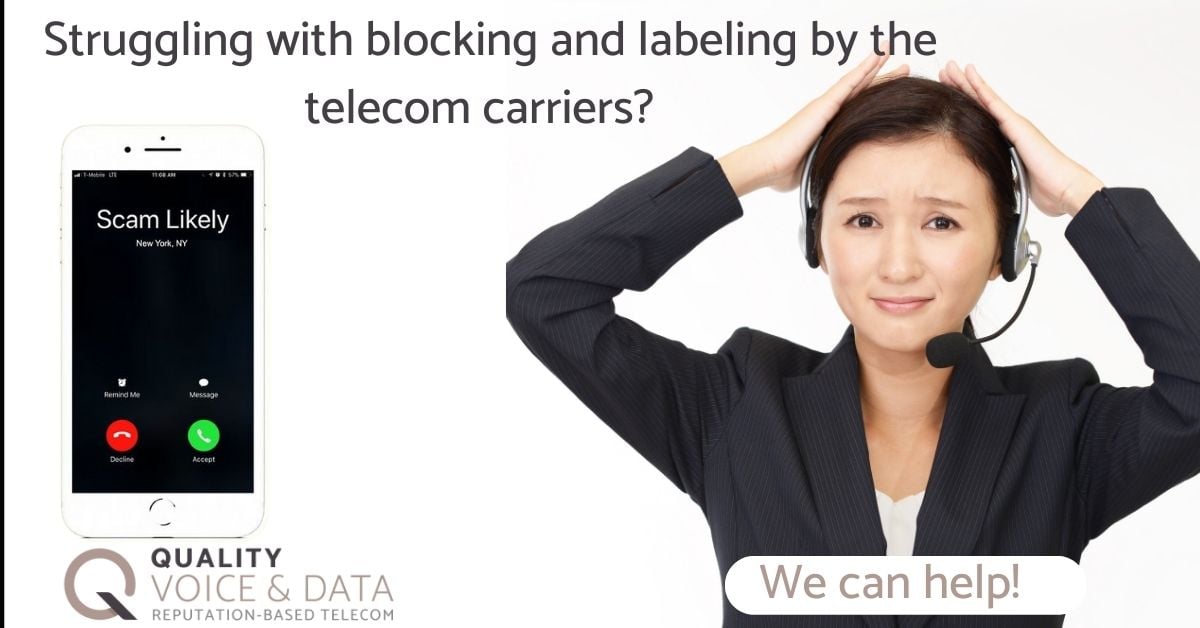
Call labeling assigns a tag to a phone number so mobile users can identify who's calling, done either through the phone's operating system or third-party apps. Inaccurate labeling often traces back to number spoofing — where a caller's displayed ID is altered to look local or trusted — or to gaps in the underlying caller identification database. Call blocking, meanwhile, is carriers, operating systems, or apps preventing unwanted calls from reaching a device outright, generally in response to the same spoofing and fraud concerns.
How the industry has responded
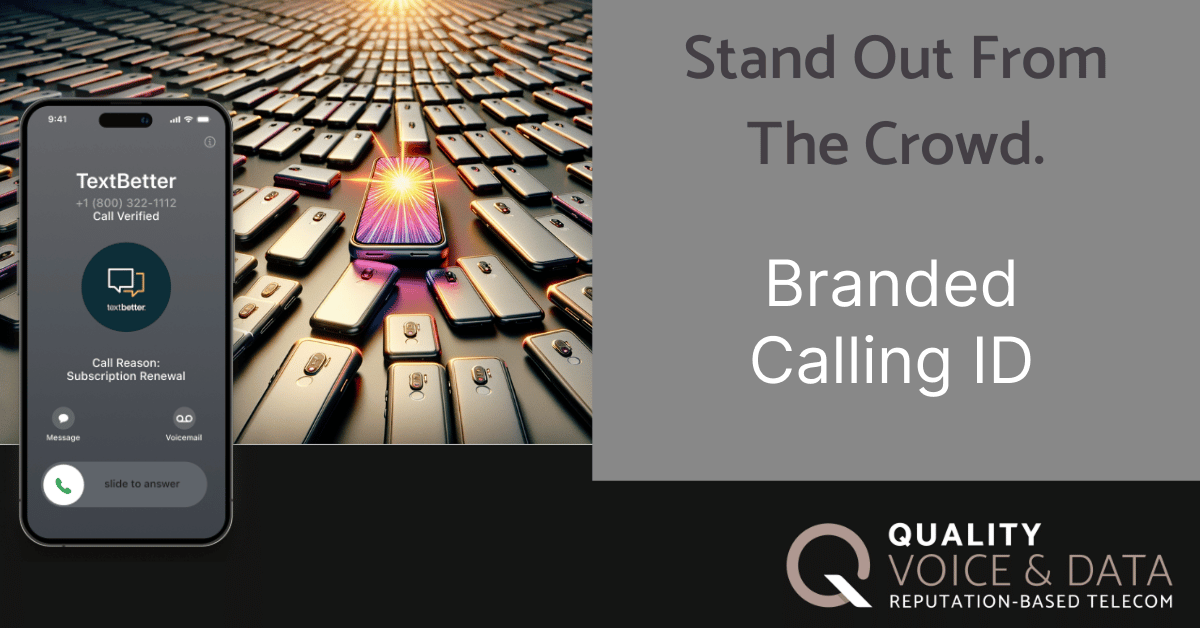
The FCC worked with the telecom industry to implement STIR/SHAKEN, which authenticates that a caller ID is accurate and trustworthy before a call connects. Call-blocking apps like RoboKiller and Nomorobo use their own algorithms to block calls based on reputation or other signals, while Google's Verified Calls feature and apps like Hiya and Truecaller display a caller's name, logo, and reason for calling to help users decide whether to answer.
The unintended consequence for legitimate businesses
Call labeling and blocking have reduced robocalls significantly, but legitimate companies increasingly find their own calls tagged as spam, or simply undelivered, when their telecom carrier signs calls with a B or C attestation instead of A — sometimes because of older technology, sometimes because a least-cost-routing engine strips the attestation token before the call completes.
Is your company's Caller ID labeled as spam?
As a licensed SHAKEN Service Provider, Quality Voice & Data signs every customer call with an A attestation, because we know our customers and confirm they're authorized to use their Caller ID numbers — every customer completes a Trusted Call Completion (TCC™) application before receiving elastic SIP telecom, preserving the integrity of that Know Your Customer process. Customers running the complete Trusted Call Completion® program — elastic SIP trunk telecom, Caller ID numbers, monitoring and remediation, CNAM storage, and Trusted Caller status — routinely see 30-50% better outbound answer rates, while consumers stay better protected from scams and fraud at the same time.