Elastic SIP Trunk Tutorial for Call Center Management
What is an elastic SIP trunk, and why should a call center care? It's a fair question for anyone newer to the term, so here's the background.
From T1/PRI to SIP to elastic SIP
Call centers used to receive a voice circuit as a physical T1 or PRI connection — essentially an analog wire run from the phone company's central office to the customer's location. VoIP replaced that with SIP trunks, an IP-to-IP connection that's now the de facto telecom standard, though SIP and legacy TDM networks will coexist for a few more years yet.
A standard SIP trunk is set up for a fixed number of concurrent calls, or "trunks." An elastic SIP trunk automatically scales that number of concurrent calls up or down, eliminating the call congestion or busy signals that come from being under-provisioned during a traffic spike — without an elastic trunk, admins have to run regular traffic studies just to keep trunk sizing appropriate for busy periods.
What rides along in the metadata
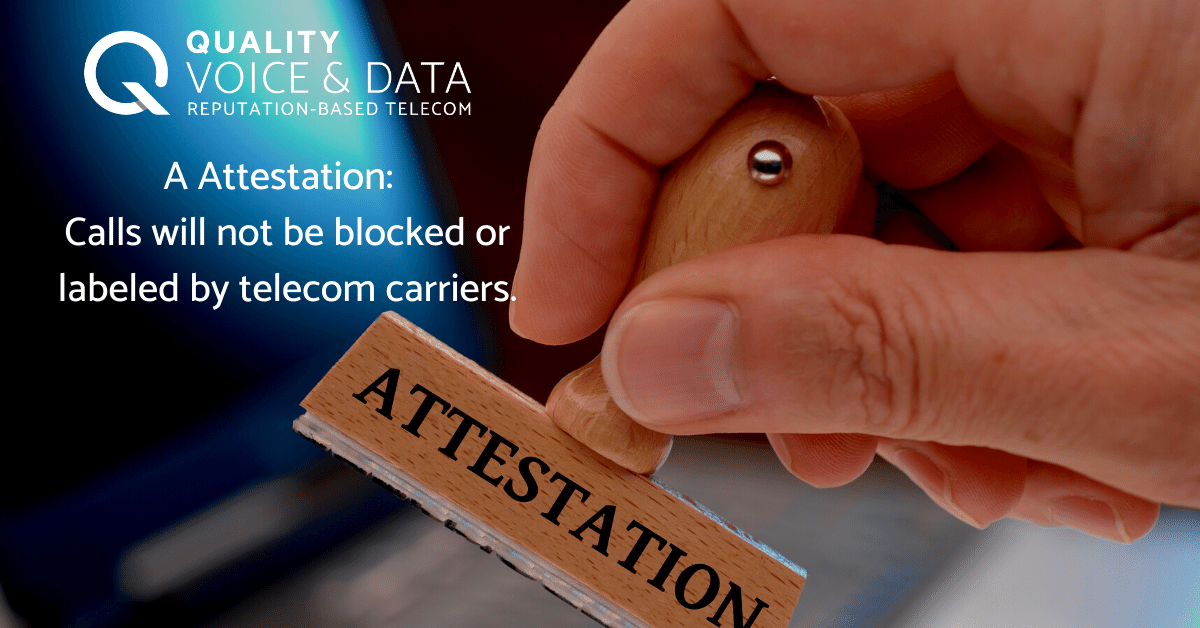
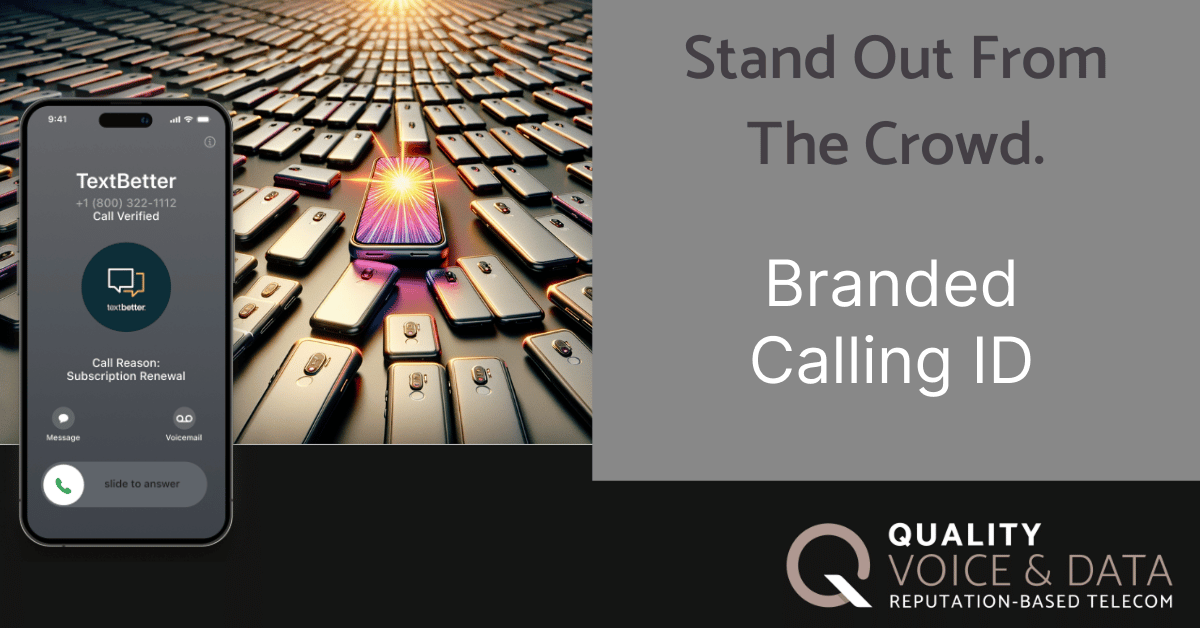
A SIP call's metadata lives cradle to grave — everything from the initiating device, dialed number, calling party, and CNAM, to every carrier and switch involved en route to the called party answering. Advanced networks use this data to route calls for maximum contact rate, recognizing reason codes that explain why a call might be rejected and retrying over alternate trunks. STIR/SHAKEN rides in this same metadata, inserting an attestation token (A, B, or C) that identifies the originating carrier and lets a government agency trace any call's source immediately. The same channel supports Rich Call Data — a call's reason, company name, and logo.
Why call centers see real savings
Traditional SIP trunks charge a flat rate regardless of call volume, time of day, or holidays. An elastic SIP trunk charges only for what's actually used, which matters a lot for centers with seasonal peaks or unpredictable surges (a disaster response line, for example). It's also easier to manage: capacity increases automatically during high-traffic periods, reducing rejected calls and customer frustration, and it supports better routing decisions for remote agents.
What QVD's Elastic SIP Trunk delivers
QVD customers calling AT&T, Verizon, or T-Mobile wireless devices see their calls arrive with a verified checkmark; calls to Google Phone or Android devices display the customer's name, logo, and reason for calling. SIP trunk reporting shows exactly how trunks and Caller IDs are performing, feeding into ongoing adjustments with QVD's analysts — all backed by the full Trusted Call Completion® suite.