STIR/SHAKEN Implementation: Are Your Calls Actually Getting Delivered?
2021 was a pivotal year for call center and BPO leaders, and one industry-altering event stood above the rest: STIR/SHAKEN implementation. While there were firm deadlines, some carriers moved aggressively to meet them and others are still lagging behind full implementation.
Why full implementation matters
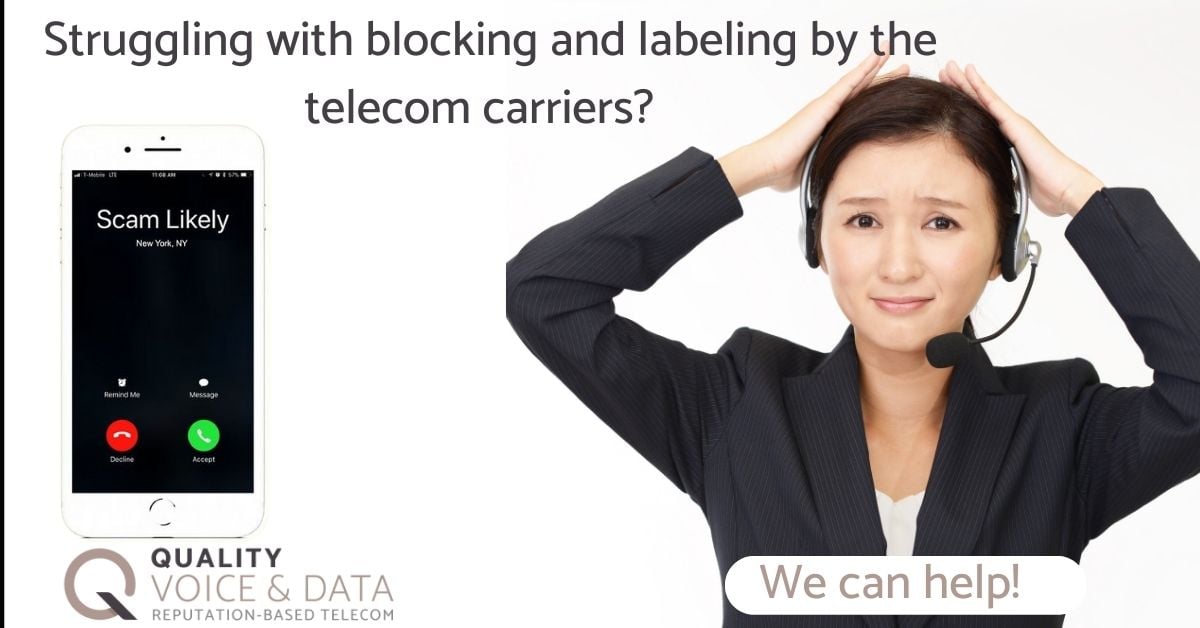
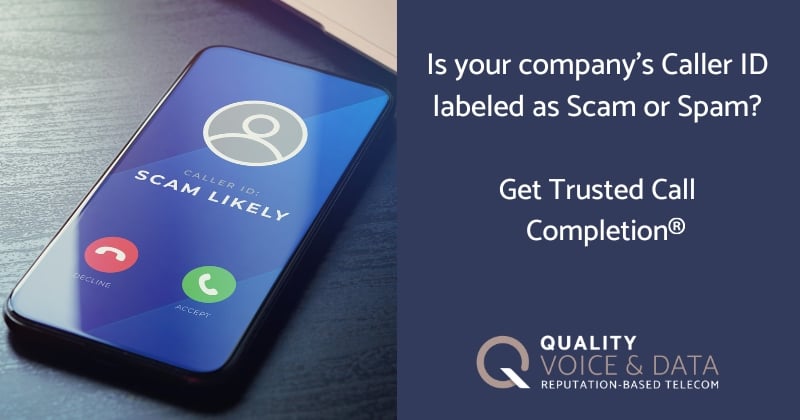
Legitimate callers need their calls delivered to and answered by the called party, but most carriers now block calls that arrive without a SHAKEN token from the originating carrier. Many businesses and non-profits have a legitimate need to reach prospects, customers, and stakeholders — and may have no idea their calls are simply being blocked.
A use case: ABC Insurance
Imagine requesting a car insurance quote online and consenting to be contacted by up to five companies. One of them, ABC Insurance, tries to call — but the call never arrives, because ABC's telecom carrier hasn't fully implemented STIR/SHAKEN and isn't signing its outbound calls. Your carrier blocks the unsigned call, and worse, carriers aren't required to send back a consistent signal when a call is blocked — some send ring-no-answer, some a busy signal, some something else entirely — making it very hard for a dialer administrator to even know their calls are being blocked.
The bottom line
ABC Insurance has effectively wasted its pay-per-lead spend, since it's as if the lead was never called after being paid for — and the consumer never hears the offer they asked about. If you've ever filled out a form online and never heard back, there's a good chance the business behind it wasn't using a SHAKEN-compliant telecom provider with full implementation.
Avoiding false-positive blocking
Per FCC guidance, phone companies and their partners look for suspicious calling patterns to proactively block unwanted calls — and legitimate businesses can get caught in that net if their calling pattern resembles illegal robocalling. Best practices include always using a valid outgoing number, never substituting a number you don't subscribe to, avoiding numbers on the Do Not Originate list, limiting calls per minute (especially outside business hours), and limiting repeat callbacks in a short window. It's also worth periodically checking with phone companies and third-party analytics providers about consumer complaints tied to the numbers you use — which is exactly what Quality Voice & Data's Monitoring & Remediation service does for clients.