Top 6 Best Practices When Texting in Business
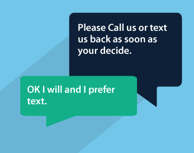
Businesses are increasingly using texting to reach current customers and prospects, often by enabling their existing landline to send and receive text messages — yes, you can text to a landline. As landline texting for business grows, here are six best practices worth following.
1. Personalization
Nothing reads as spam faster than a generic, unpersonalized text. Whether you're running mass SMS marketing or one-on-one landline texting, take the time to craft messages that use the customer's name and reference what they've actually purchased — for example, checking in a week after a purchase to ask how it's working out. A short signature block, similar to an email signature, helps the customer identify who's texting them.
2. Timely
Only send text messages during normal hours — federal consumer protection rules generally prohibit calls or texts after 9pm, with some state-specific exceptions. Beyond the legal minimum, think about when your customer would actually expect to hear from you; texting invites an immediate response, so timing should match the message and the response you're hoping for.
3. Ease of use
Make sure the sending number is recognizable, such as your main business line. Use plain language rather than shorthand that reads as unprofessional, and keep messages to one or two lines where possible. For appointment reminders, include the date, time, and address so the customer can create a calendar event without typing anything.
4. Exit strategy
Make it simple and intuitive for customers to opt out of texting, even when it's routed through a landline. Texting should make communication easier, not harder to escape.
5. Security
Text messages aren't secure. If part of your interaction involves collecting a credit card number or other personally identifiable information, use a secure channel like an online web form instead — never ask for payment details over text.
6. Consent
Depending on the type of message, proper consent may be legally required. Texting a customer about a new product is different from texting a friend. Get clear consent, set expectations on frequency and message types up front, and use web forms with clear disclaimers to let customers opt in — the alternative is a much bigger headache than a missed text.