6 Best Practices for Outbound B2B Telemarketing That Actually Work

Outbound telemarketing is an effective way to generate leads, close sales, and win back customers, but getting the best results in B2B is genuinely harder than in consumer campaigns. Here are six best practices worth building into an outbound B2B program.
Strategy development
Effective B2B telemarketing starts with identifying the target audience, their needs, and exactly how your product or service addresses those needs — researching the competitive landscape, building effective scripts, and training staff around a customer-centric approach that leads to long-term relationships, not just a single sale.
Focus on data quality
Wasted calls come from bad data. Roughly 60% of telemarketing data goes stale over time, with many calls never reaching an actual decision-maker, and tightening privacy regulations make quality data harder to source. Outsourcing to a third-party vendor for data enrichment and verification is often the more reliable path.
Cultivate professionalism
The most successful B2B telemarketers are knowledgeable, experienced, and confident, backed by real resources — scripts, FAQs, support materials — so they can give accurate answers. Professionalism also means prompt follow-up and reliably delivering on promised timelines.
Invest in relationship building
Every interaction is a chance to nurture a prospect toward becoming a customer, and beyond that, toward staying one. Strong post-sale customer service is part of the same relationship, not a separate function.
Smart technology solutions
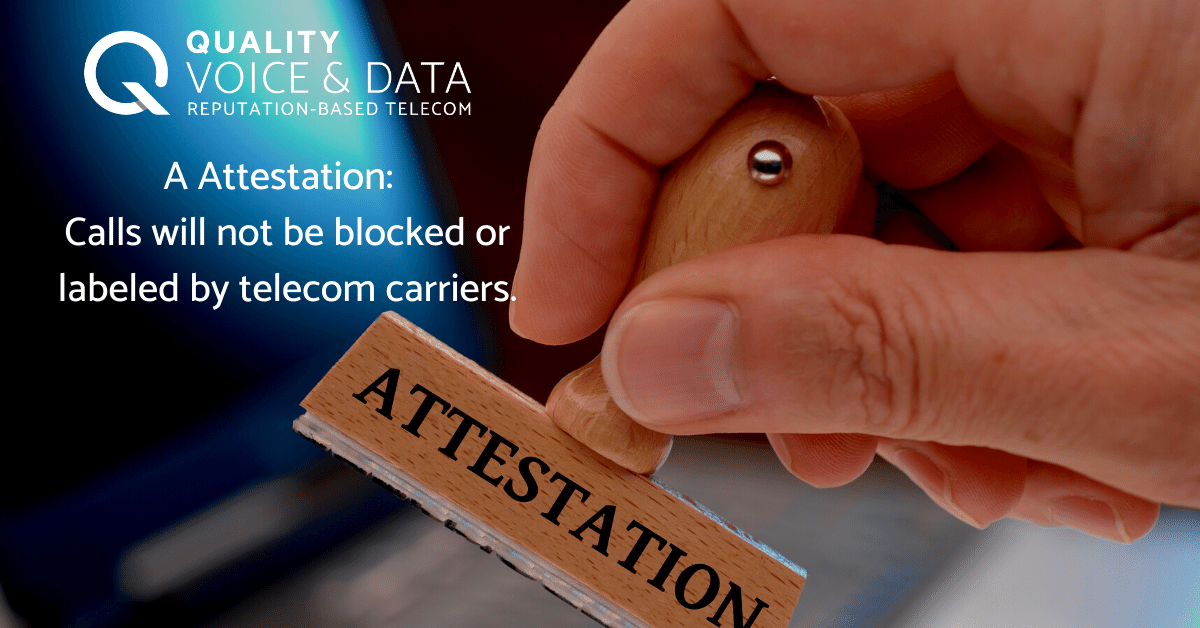
Outbound B2B success depends on a real volume of high-quality conversations. Call analytics, data management, and a SHAKEN telecom provider like Quality Voice & Data can lift outbound contact rates by 30-50%, since Trusted Call Completion's Caller ID management, elastic SIP, and monitoring & remediation keep calls from being blocked or mislabeled in error.
Measure performance
Outbound B2B telemarketing is ultimately about results — conversion rates, lead quantity and quality, time on call, first-call resolution, and customer satisfaction are the metrics worth tracking to find what's actually working and where to improve.